01
Tie and stitch
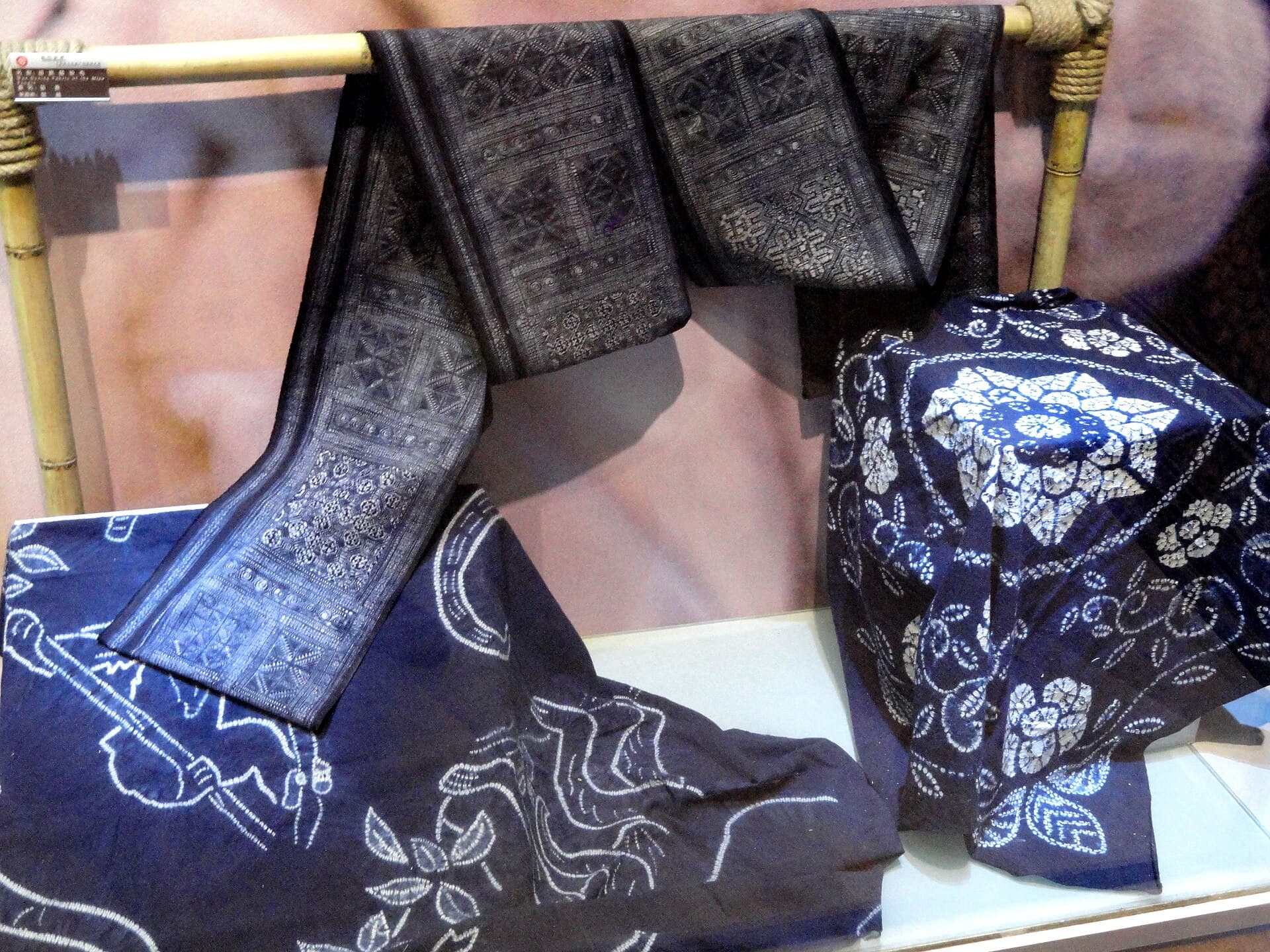
Motifs are planned on plain cloth, then stitched, folded, pleated, or tied so some areas resist the dye.
Bai tie-dye is a resist process: the pattern is made before the cloth is dyed, held under thread and pressure, then revealed when the cloth is opened. Blue Orchard uses that craft history as the starting point, then adds the modern discipline of real US inventory before checkout.
Dali
Zhoucheng and Xizhou in Dali are widely referenced centers for Bai tie-dye practice and visitor workshops.
2006
Public sources trace Bai tie-dye's national intangible cultural heritage listing to 2006.
US stock
The site still waits for real batch data before turning any craft story into a buyable product.
The customer does not need a lecture. They need to understand why a blue-and-white textile carries time, handwork, and small variations worth keeping.
01
Motifs are planned on plain cloth, then stitched, folded, pleated, or tied so some areas resist the dye.
02
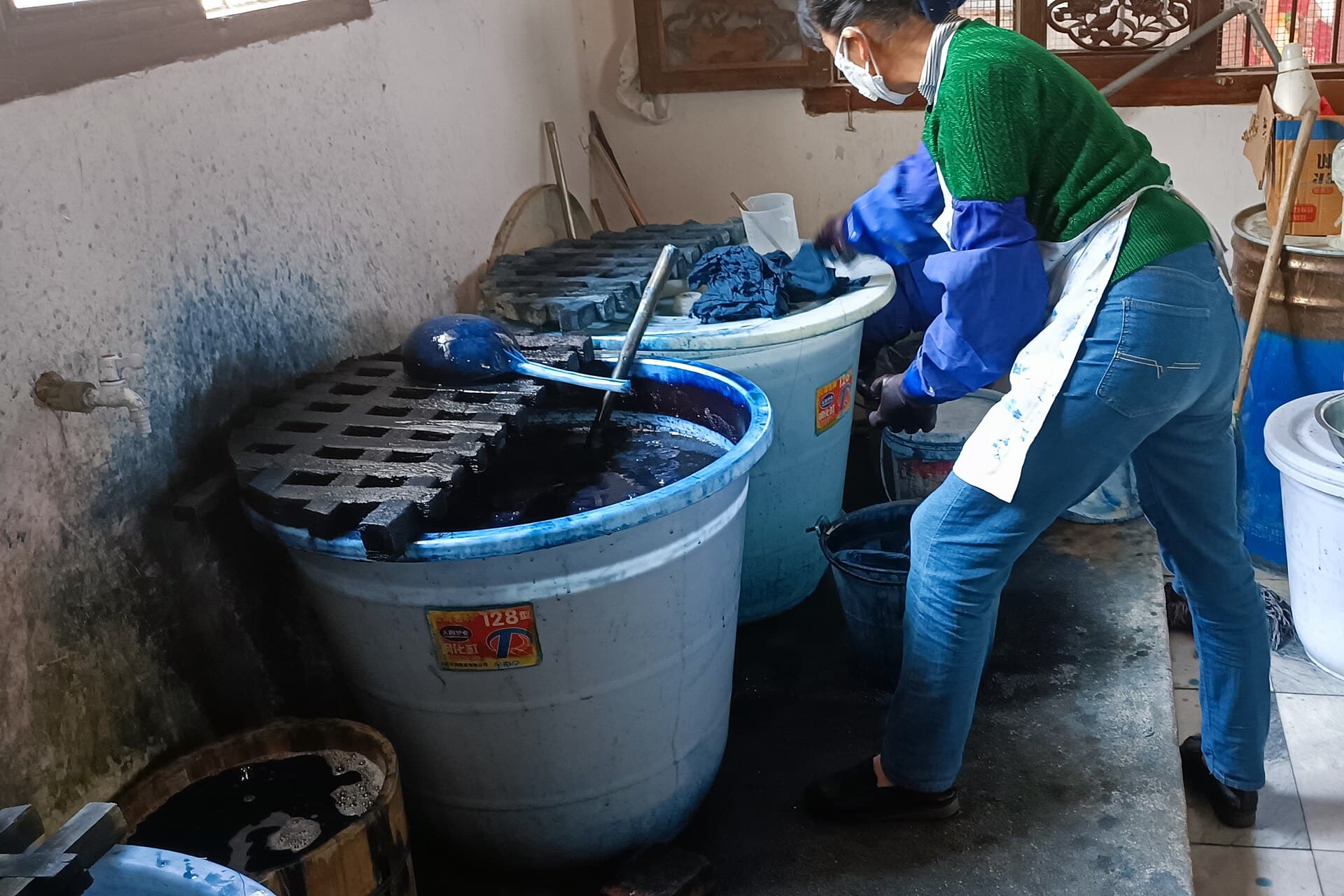
The bound cloth enters a plant-based indigo bath; repeated dipping and airing create depth and variation.
03
After rinsing, artisans remove the knots and thread, revealing blue grounds with white marks left by pressure.
04
For Blue Orchard, each finished piece still needs a real cost, size, weight, care note, and US inventory count before sale.
Public craft references can set the stage, but Blue Orchard should only make product-level promises after the first batch is actually purchased, photographed, measured, costed, and received in the US warehouse.
The blue should feel uneven in the right way: dipped, aired, rinsed, and handled rather than digitally flattened.
The white marks should read as pressure and thread, not a repeated print laid on top of cloth.
Every live SKU needs the less romantic details too: dimensions, weight, care, price, stock, and return expectations.
No live product page without real supplier notes, material, size, weight, care, and landed cost.
No checkout until the item is physically counted in Blue Orchard's US warehouse inventory.
No fake maker story: public craft history can inspire the page, but product-level stories must come from the actual batch.
Natural indigo
Plant dye, time, and oxygen build the blue instead of printing color on the surface.
Hand resisted
Stitches, folds, and knots reserve the white space before the cloth ever touches dye.
Ready to ship
Blue Orchard only releases pieces after real stock is received, counted, and ready from the US shelf.
CC BY-SA 4.0 - A Dali workshop dyeing cloth in deep blue indigo vats
Public domain - Bai tie-dyed cloth with stitched white resist motifs
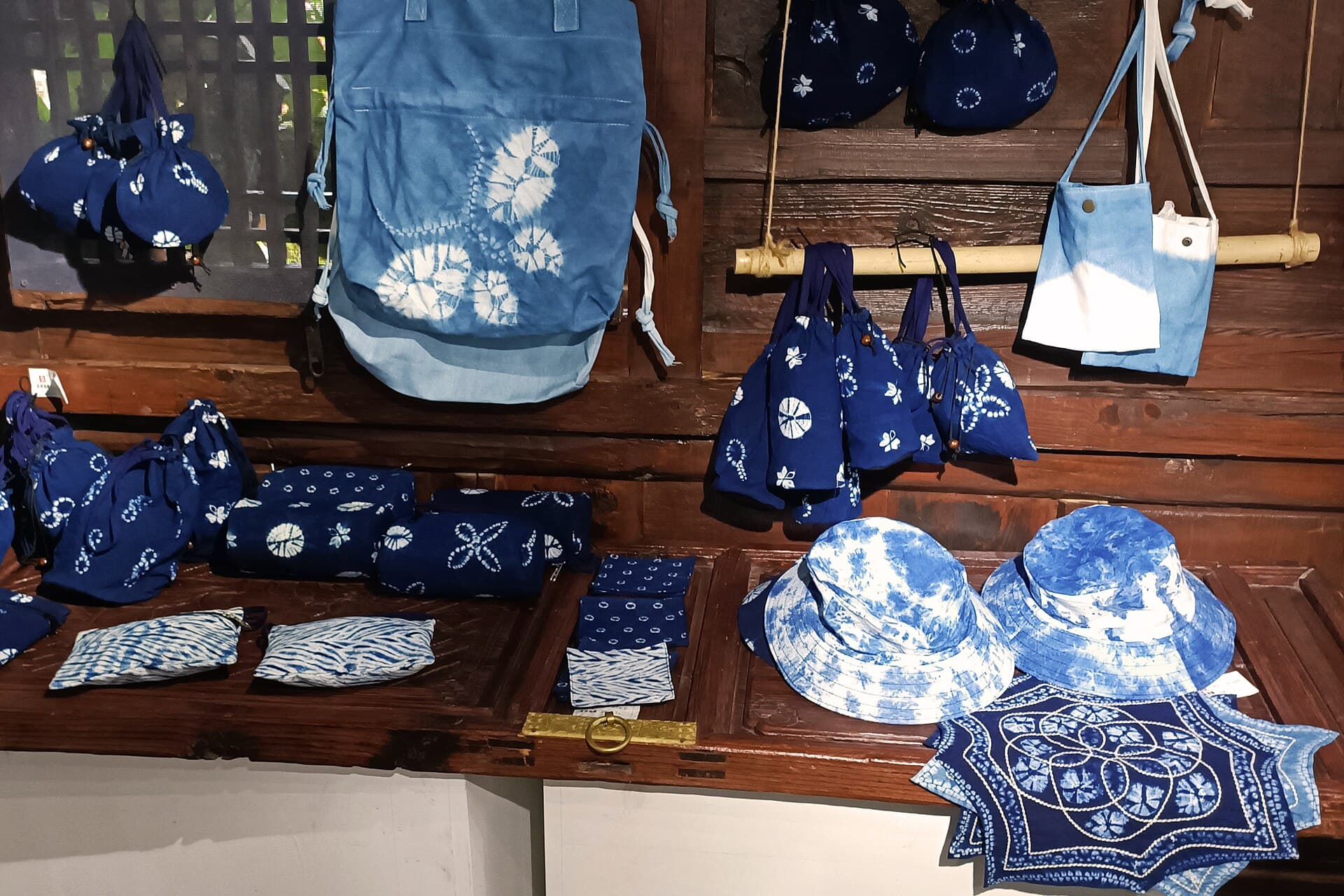
CC BY-SA 4.0 - Finished Dali blue and white tie-dye bags, hats, and textile goods